




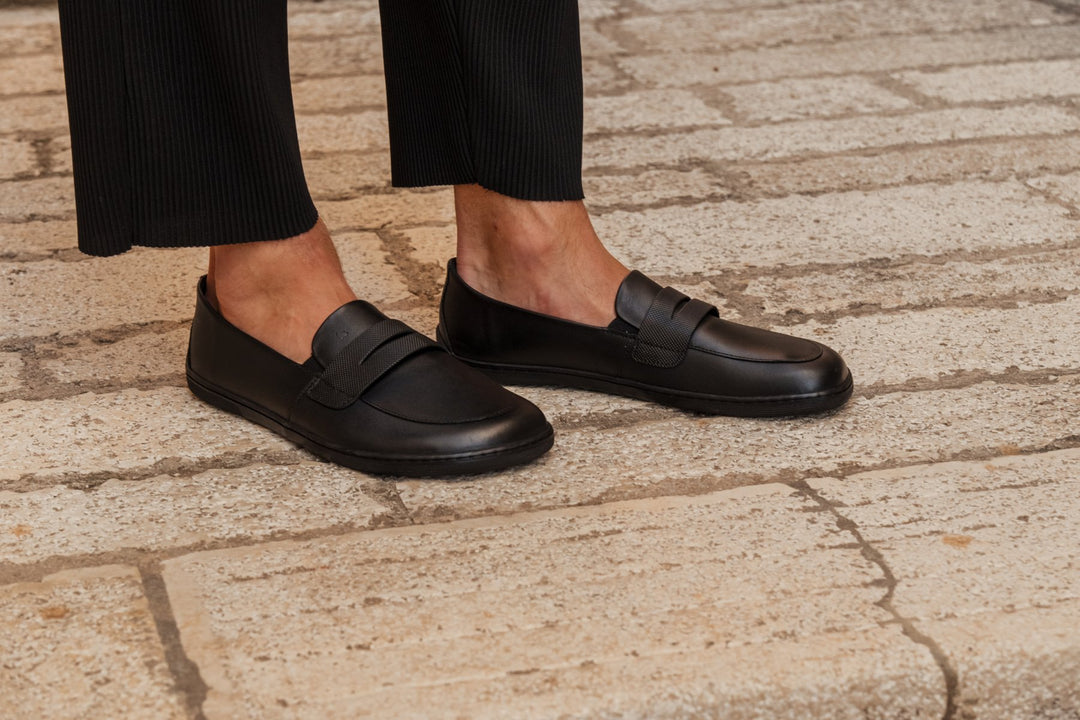


Walking on concrete in barefoot shoes is one of the most common concerns people have before making the switch.
And it makes sense. Concrete, pavement, tiles, and other hard surfaces are flat, repetitive, and less forgiving than grass, soil, sand, or trails. If your feet are used to thick cushioned shoes, thinner and more flexible shoes can feel like a big change at first.
Still, barefoot shoes can work well for city walking. The key is choosing the right model for hard surfaces and giving your feet enough time to adapt.
This guide will cover:
- whether barefoot shoes are a good option for city walking
- what makes barefoot shoes suitable for hard surfaces
- which barefoot brands are worth considering for concrete and pavement
- which models may be easier to tolerate for urban walking
- how to transition without doing too much too soon
Our Background with Barefoot Footwear
Martina works with barefoot shoes every day in our Sydney store, where she helps customers compare different brands, sole thicknesses, toe box shapes, widths, materials, and fits for real everyday use — including walking on concrete, pavement, tiles, and city streets.
Quick Disclaimer: We are not doctors, podiatrists, or physiotherapists. This guide is based on our experience with barefoot footwear and shoe fitting, and is meant for general information only. If you have ongoing foot pain, injuries, plantar fasciitis, Achilles pain, or other medical concerns, it is best to speak with a qualified health professional before changing your footwear.
Our Top Selection

Barebarics Zing
Best all-round starting point for concrete, with a more forgiving sole feel and removable insole.
Explore Barebarics Zing
Barebarics Revive
Lighter Barebarics option for active city walking, with a removable insole and wear-resistant sole.
Explore Barebarics Revive
Splay Runner V1
Most beginner-friendly transition pick, with higher stack height and a removable insole for concrete.
Explore Splay Runner V1
Xero Prio All-Day SR
Best for grip and durability, but better for users comfortable with a more direct barefoot feel.
Explore Xero Prio All-Day SR
Be Lenka Rebound
Good for more adapted barefoot users, with a removable insole and durable stitched construction.
Explore Be Lenka ReboundRead more below about why we recommend these shoes for concrete and hard surfaces.
When Barefoot Shoes Make Sense for City Walking and Hard Surfaces
Barefoot shoes may make sense for city walking and hard surfaces if:
- you are willing to transition gradually
- you choose a model with enough sole thickness for concrete and pavement
- you can choose shoes with a removable insole, so you can adjust the feel underfoot if needed
- you can adjust to shorter steps and a lighter landing
Barefoot shoes may not be the best option for hard surfaces if:
- you want to switch straight into long walks on concrete
- you choose a very thin barefoot shoe as your first model
- you stand or walk on concrete all day without a gradual transition
- you have ongoing foot pain, plantar fasciitis, Achilles pain, arthritis, or reduced sensation
- you expect barefoot shoes to feel soft and cushioned
- you need maximum outsole durability on rough asphalt and concrete
Did you know humans have been walking on hard man made surfaces for thousands of years? Some of the earliest stone buildings were created in the Neolithic period (approximately 9000 years ago). Shoes back then were either non-existent or simple coverings with little structure.
The Question of Hard Surfaces
Barefoot shoes are thin soled, flexible, light-weight and wider in the toe box area which allows the foot to move naturally as opposed to being constrained in a conventional shoe. This increases the strength and flexibility of the feet and toes, but it notably provides less cushioning and physical protection against hard surfaces.

Based on this, it might seem that thick soled shoes with plenty of cushioning would be a safer alternative to barefoot shoes, but this isn't the case. When you wear regular shoes with cushioning, you're unable to detect the immediate sensory feedback of your gait pattern that barefoot shoes provide.
You can find more about differences in our article: Barefoot Shoes vs Regular Shoes: The Essential Differences
This means you're far more likely to walk with a heavy heel strike and slap the foot down unconsciously. Even though this doesn't feel uncomfortable in the moment, it causes minor stress on the joints that can accumulate into serious debilitating injuries over time.
Instead, when you wear barefoot shoes, you'll restore a more natural mid-foot or toe strike walking pattern that allows the body to use its innate shock absorbers: your muscles, tendons and ligaments. This is precisely what reduces wear and tear on the joints and makes barefoot shoes a superior option to regular shoes, perhaps especially on hard surfaces.
Read more about benefits of wearing barefoot shoes in our article: Health Benefits of Barefoot Shoes
Beforing fully jumping onboard with this idea, there is one important caveat to note. The harder the surface, the more demanding it will be on your feet, and the greater the potential for harm from poor walking patterns. If you wear barefoot shoes on cement and continue to heel strike, not only will it be uncomfortable, but you'll actually be doing more damage than if you just stuck to conventional cushioned shoes!
Working your way up to hard surfaces by ensuring you have properly developed movement patterns and foot strength is essential. Below we'll outline how to safely transition to using barefoot shoes in a city environment.
How To Safely Use Barefoot Shoes in the City
1) Work Your Way up By Starting with Soft Surfaces
Starting off your barefoot journey with more forgiving surfaces allows your feet to gradually build the resilience they'll need for firm ones. Walking barefoot in sand is a good option, or wearing barefoot shoes in parks, on trails, or in indoor settings that have cushioned floors like gyms.
2) Practice Proper Technique
It will take some time to retrain your brain to land toe first while walking. You can begin training this at any time with any type of shoe, and it will allow you to have an easier transition once you're ready for barefoot shoes on pavement.
3) Choose Thick-Soled Barefoot Shoes (Preferably with a Removable Insole)
Before you conclude that thick soles defeat the purpose of barefoot shoes, it's important to note that this means thick-soled relative to a barefoot shoe, not standard sneakers. This offers a great in-between transition option to provide some cushioning without completely compromising the increased foot mobility that barefoot shoes offer. This could be a temporary solution, or perhaps a permanent one if that's what feels best for your feet and body.
A removable insole can also be helpful, because it lets you adjust the feel underfoot as your feet adapt to concrete and other hard surfaces.
An interesting but perhaps comical looking tip to see how much force you're placing on your joints while walking is to try plugging your ears while you take a few steps. When you land heel first, you'll hear an internal thud with each step, whereas walking toe first should be completely silent.
How Top Barefoot Brands Compare for City Walking
- Barebarics: one of the easiest barefoot options for hard surfaces, with a more protective sole feel than very thin minimalist shoes.
- Be Lenka: very foot-shaped and roomy, but some models feel thinner underfoot, so they may suit people who are already partly adapted to barefoot shoes.
- Xero Shoes: durable and practical for active lifestyle and sports. Their FeelTrue® soles are backed by a 5,000-mile sole warranty.
- Vivobarefoot: very flexible and minimal, with strong ground feel. Better for adapted walkers than beginners on concrete.
- Splay: roomy and simple, with some models better as light city shoes and more cushioned options better for longer hard-surface walking.
- Koel: more structured barefoot shoes with stitched construction and natural materials, useful if you want a slightly more secure everyday shoe for urban surfaces.
Our Top Barefoot Shoe Picks for Walking on Concrete
Barebarics Zing

Barebarics Zing is one of the strongest starting points for city walking because it feels more forgiving than very thin barefoot sneakers. It has a removable antibacterial insole and a flexible stitched ComfortGrip Neo rubber sole, which makes it a practical choice for regular walking on concrete and pavement.
Barebarics Revive

Barebarics Revive is a lighter, more breathable alternative to Zing for active city walking. It keeps the same practical Barebarics advantages for hard surfaces, including a removable insole and a wear-resistant ComfortGrip rubber sole, but may feel better in warmer conditions or longer days on the move.
Splay Runner V1

Splay Runner V1 has 15 mm stack height, and 3.5 mm removable insole, making it one of the easier barefoot-style shoes to tolerate on concrete if you want more cushioning underfoot.
Xero Prio All-Day SR

Xero Prio All-Day SR is the most practical choice here if grip and outsole durability matter. It has a slip-resistant rubber sole for hard floors, a low-to-the-ground barefoot feel, and Xero’s FeelTrue® soles are backed by a 5,000-mile sole warranty. Because it still feels quite direct underfoot, it may suit people who already know they are comfortable with a more barefoot feel.
Be Lenka Rebound

Be Lenka Rebound has a removable recycled PU and polyester insole, a rubber EverydayComfort sole, and stitched construction designed to increase the lifespan of the shoe, which is useful for regular urban use. However, it may suit people who already tolerate barefoot shoes well, as it can feel more minimal underfoot than Barebarics or Splay Runner V1 on longer concrete walks.
Conclusion
In summary, humans have been walking barefoot on hard surfaces like rocks, stone and wood for centuries. Though cement-laden cities are a modern phenomenon, they're a completely safe surface for most people to wear barefoot shoes on as long as you work up to adequate strength and mobility to handle it.


